
Dental Bridges in Orlando, FL
Tooth loss can change how your bite functions and how pressure is distributed across the mouth. At Robinson Comprehensive Dentistry, we examine spacing, alignment, and surrounding structures to understand these changes. Under the care of Dr. Cesar Rodriguez, treatment for dental bridges in Orlando, FL, is planned to restore function while maintaining stability in neighboring teeth.

Why Replacing Missing Teeth Supports Stability
When a tooth is absent, surrounding teeth will invariably shift, leading to potential alignment issues over time. We evaluate these patterns and determine whether a tooth bridge can help restore chewing ability and maintain proper spacing. Replacing missing teeth also helps distribute bite forces more evenly.

What Is Reviewed Before Planning a Bridge
Before recommending treatment, we assess the strength of adjacent teeth and the condition of the surrounding gum and bone. This helps determine whether bridgework for teeth can be supported long-term. During your visit, we explain findings so you understand how each option supports function and stability.

How Bridges Restore Tooth Structure
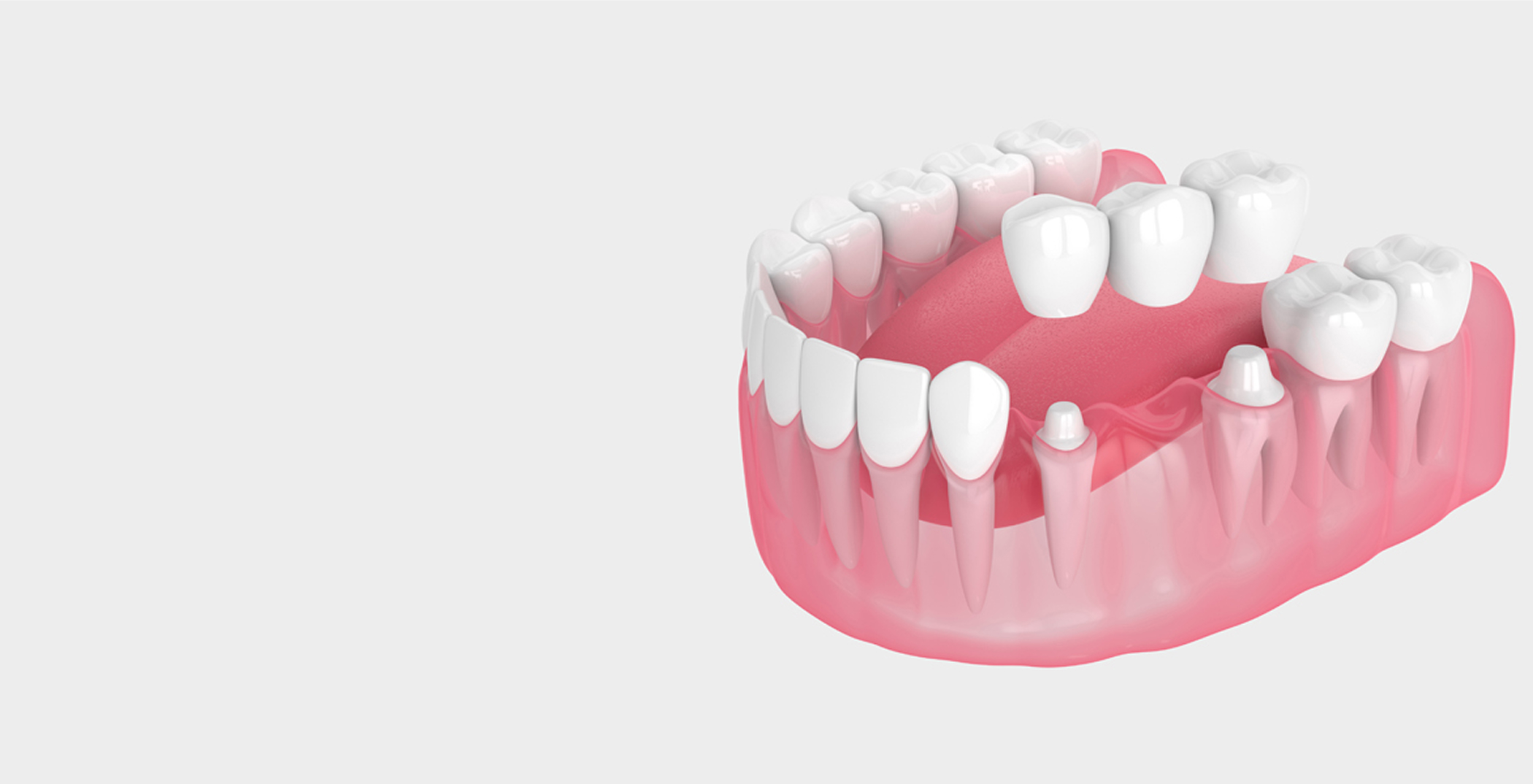
A fixed restoration is used to replace the missing tooth by connecting it to supporting teeth on either side. This type of permanent bridge for teeth helps restore chewing function and maintain alignment.

Types of Dental Bridges
- Traditional Bridges
Anchored to adjacent natural teeth with custom crowns.
- Implant-Supported Bridges
Secured with dental implants for enhanced stability and longevity.

When Bridge Treatment May Be Needed
A dental bridge is a fixed restoration used to replace one or more missing teeth. It is supported by neighboring teeth or implants and designed to blend naturally with your smile. If you’re looking for a dentist's office near me, it may be due to difficulty eating or changes in alignment. We also see patients from College Park, Thorton Park, and Lake Eola.
FAQs
It replaces a missing tooth by connecting a porcelain tooth to neighboring teeth.
They can last many years with proper care and regular dental visits.
Yes, adjacent teeth are shaped to support the restoration.
Yes, they are designed to remain stable and function like natural teeth, they are not removable.