
TMJ Night Guards
Relief for Jaw Pain, Clenching & Grinding
If you wake up with jaw pain, headaches, or sore teeth, you may be dealing with TMJ disorder or nighttime grinding. A custom TMJ night guard can help protect your smile while relieving tension and discomfort so you can wake up feeling better.

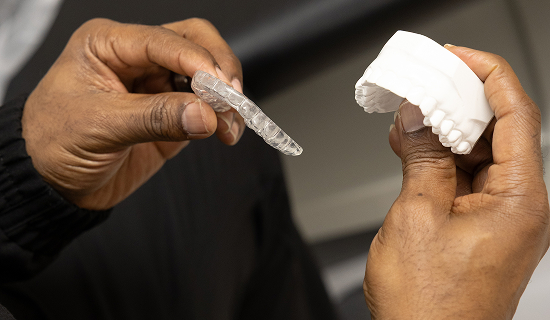
What Is a TMJ Night Guard?
A TMJ night guard is a custom-made oral appliance worn while you sleep. It creates a protective barrier between your teeth and helps guide your jaw into a more balanced position.
By preventing direct contact between your teeth, it reduces the effects of grinding and clenching while supporting your jaw joints.
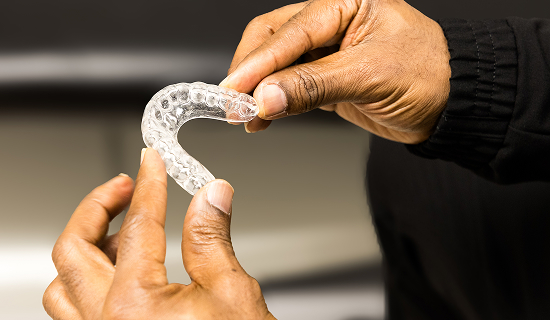
Signs You May Need a Night Guard
You may benefit from a TMJ night guard if you experience:
- Jaw pain or tightness
- Clicking or popping when opening your mouth
- Morning headaches
- Teeth grinding or clenching (often while sleeping)
- Worn, chipped, or sensitive teeth
These symptoms are often linked to bruxism and TMJ strain, which can worsen over time if untreated.

How a TMJ Night Guard Helps
Relieves Jaw Tension
By reducing pressure on the jaw muscles, night guards help ease soreness and fatigue.
Protects Your Teeth
Grinding can wear down enamel and cause fractures.
Reduces Headaches & Facial Pain
Less muscle strain often means fewer tension headaches and discomfort.
Improves Sleep Quality
Many patients sleep more comfortably once clenching and grinding habits are reduced.
Supports Jaw Alignment
Custom guards help stabilize your bite and reduce strain on the TMJ.